


The Hague International Sound Art Festival
-
Fri 20 Nov 202620:00 - 23:00Zaal 3, Den HaagDe Constant Rebecqueplein 20-A
vrije plaatskeuze Regular € 12,50 Student € 7,50 -
Sat 21 Nov 202620:00 - 23:00Zaal 3, Den HaagDe Constant Rebecqueplein 20-A
vrije plaatskeuze Regular € 12,50 Student € 7,50 -
Sun 22 Nov 202614:00 - 17:00with a.o. Olga Zuiderhoek & Hans DageletZaal 3, Den HaagDe Constant Rebecqueplein 20-A
vrije plaatskeuze Regular € 12,50 Student € 7,50
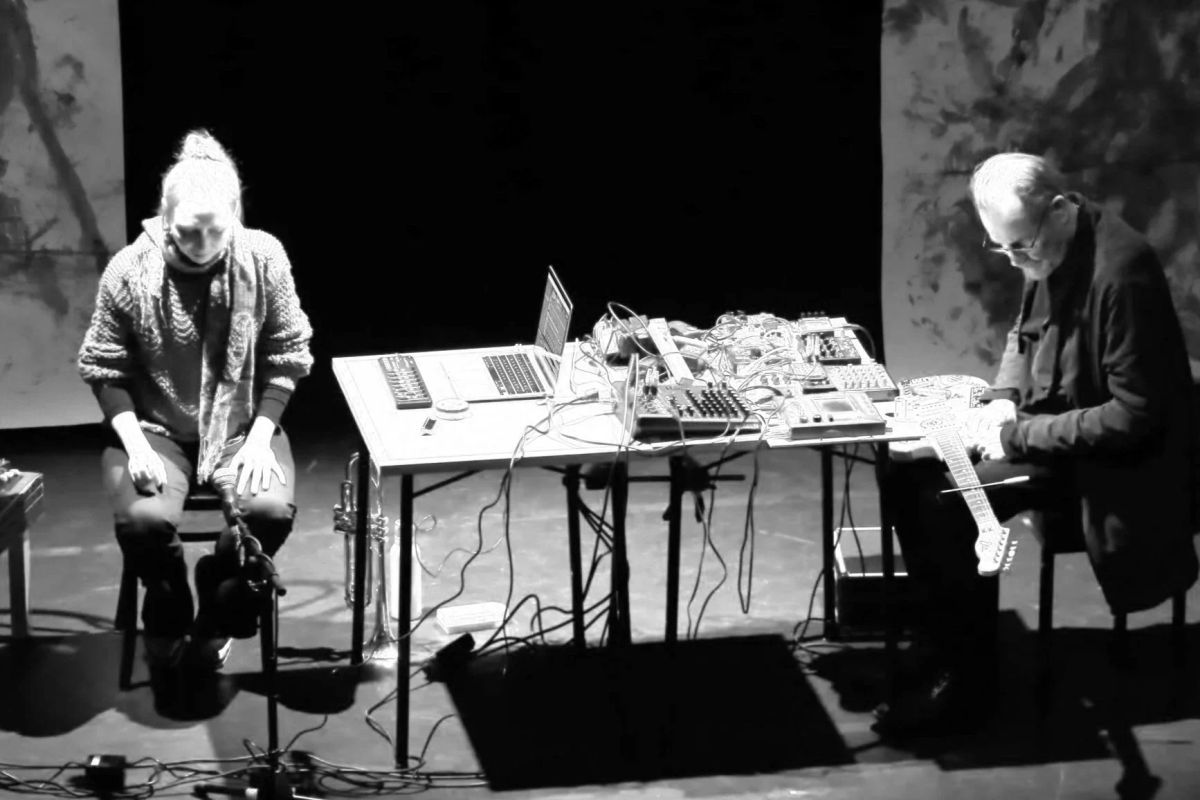
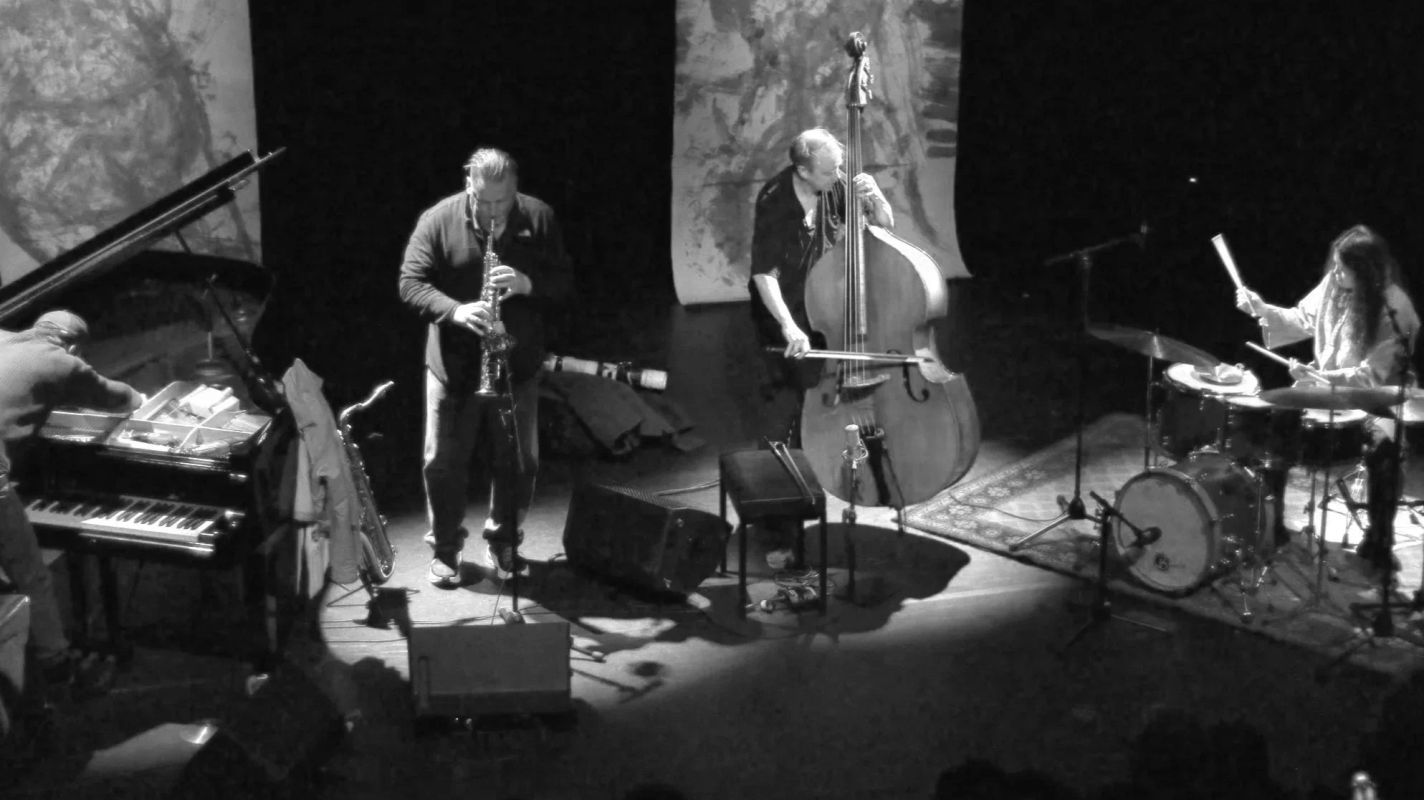
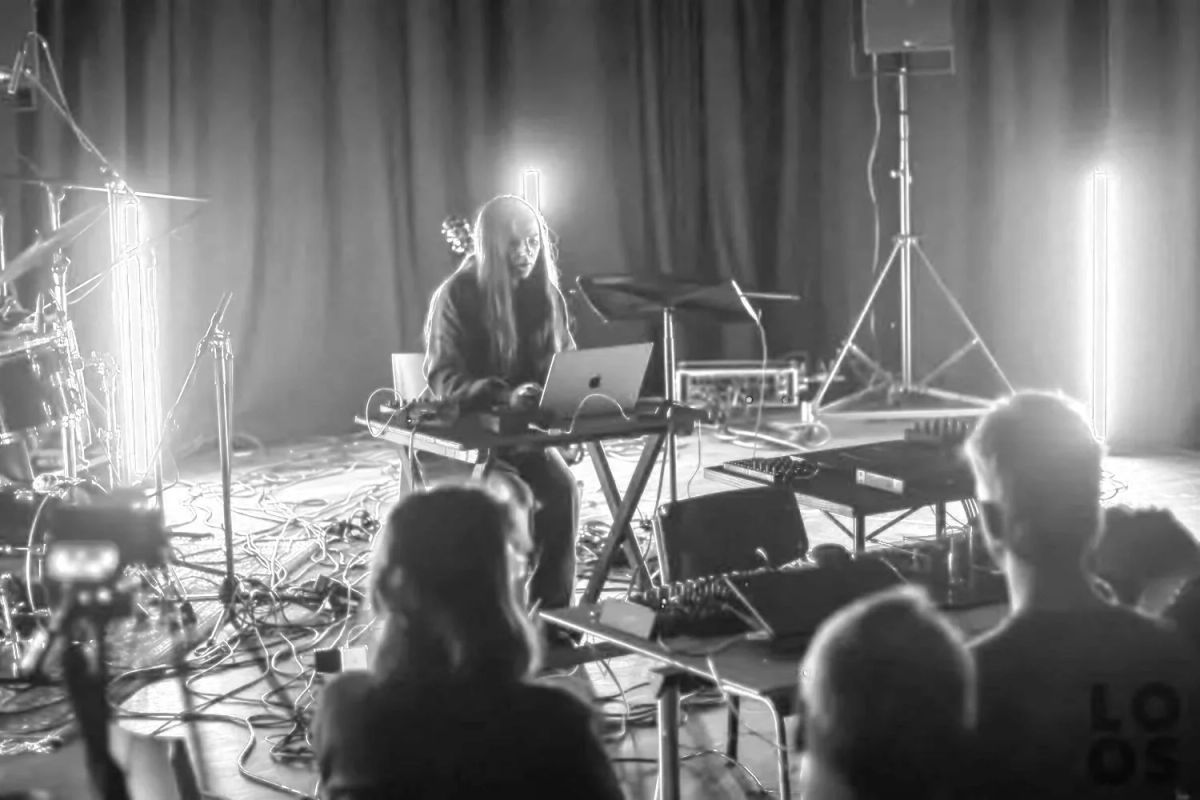
Every artist in the program present a solo piece and takes part in improvisation sessions of unexpected compositions that will be determined by dice rolls. At the end of each day in the festival, all musicians will come together for a final shared performance.
Programme
The festival kicks off on Friday with a night of noise, featuring a.o. Gert-Jan Prins, Ipek Idabasi, Axel Doerner and Germaine Sijstermans.
Saturday will be a more mellow night of ethereal soundscapes, with the sounding objects of Danya Pilchen, double bass by Raoul van der Weide and Lida Brouskari on piano.
Closing off on Sunday are Nieuw Amsterdams Peil, the fearless ‘band’ by Heleen Hulst and Gerard Bouwhuis. Among them will be Hans Dagelet and Olga Zuiderhoek, who many will perhaps know better as renowned actors than contemporary musicians.
What Is Sound Art?
Sound art is a diverse and interdisciplinary form of art that primarily utilizes sound, acoustics, and auditory elements as its medium of expression. It breaks away from traditional notions of music by emphasizing the artistic and aesthetic qualities of sound itself, rather than focusing solely on melody, harmony, or rhythm. Sound artists often work with various sonic elements, including field recordings, found sounds, electronic synthesis, spoken word, and more, to create immersive and thought-provoking experiences.
There must be a certain degree, not just of unfamiliarity, but also of incompatibility. Otherwise, what’s the point of improvising?

About Derek Bailey, pioneer of free improvisation
Derek Bailey (1930–2005) was a pioneer of European free improvisation: he developed a radically original guitar language that broke away from jazz and all other stylistic conventions. More importantly, he provided the scene with an infrastructure and a theoretical foundation: through the Incus label, the annual meeting platform ‘Company’ and his influential book Improvisation: Its Nature and Practice in Music.
Improvisation and unpredictability
‘Back then,’ Bailey later recalled, ‘the main way of organizing improvised music was to set up regular groups, something I was already somewhat disillusioned with.’
For Bailey, difficulty was not an unfortunate side-effect of the process; it was, in fact, at its very heart. ‘If there are no difficulties, it seems to me that there is virtually no point in playing. I find that the things that fascinate me consist of trying to make something work.’
In his view, the most productive presence in a group could even be the musician who had the least idea of what was going on: ‘I’ve always enjoyed the effect of having someone there who didn’t have the faintest idea what was going on.’